

Bariatric Folding Wheelchair
Bariatric folding wheelchairs are designed to accommodate users of a bigger size. They include a higher weight capacity than standard models and are developed with enhanced products for added stability and longevity.
However, not everyone with a high body mass index (BMI) needs a bariatric chair as lots of fall within the safe weight limits of basic wheelchairs.
Size and Weight Capacity
Bariatric wheelchairs have broader seats and are designed to accommodate bigger individuals, usually weighing as much as 500 lbs. These chairs have a heavy-duty frame made from reinforced products like steel and are constructed with larger wheels that offer more weight circulation and maneuverability for bigger users.
When comparing bariatric wheelchairs , ensure the weight capacity is noted as static or active load. Fixed weight capacity describes just how much a chair can hold when it's sitting still, while active load capacity is determined by putting the chair through a drop test that simulates someone plopping down into the seat.
Standard wheelchairs are extensively produced and designed for users with typical body weights, making them more affordable than bariatric models. Medicare and other insurance coverages may just cover a limited variety of bariatric wheelchairs, depending upon a client's medical requirements and diagnosis. These chairs are likewise more costly than standard wheelchairs due to the fact that they have a specialized design and building and construction. However, they are a great solution for patients with a broad range of medical conditions that need a more comfortable travel experience.
Seat Dimensions and Comfort
Unlike standard wheelchairs, bariatric models have broader seats to accommodate bigger people. They likewise have more robust frames and big, resilient wheels that can endure greater loads. They can be customized with various seating alternatives and accessories based on the user's needs and choices.
When comparing wheelchairs, it's essential to take a look at their weight capacities under both static and active load scores. Fixed load refers to the chair's maximum capacity when it's sitting still, while active load measures just how much a wheelchair can safely hold when somebody sits in it and moves. Some makers might also show the weight limit of a bariatric wheelchair in kilograms, which is often more accurate since it takes into consideration the typical bodyweight of a person who uses the chair.
In addition to a wide seat, a bariatric folding wheelchair ought to have adjustable cushioned leg rests to assist users remain comfy while taking a trip. It must likewise have turn up armrests that can be moved out of the way to avoid getting in the user's way when they wish to stand or transfer to another surface.
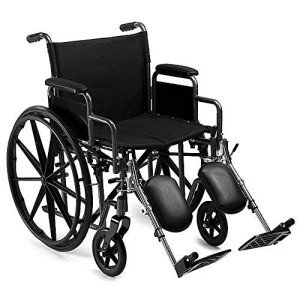
If you're thinking about a bariatric wheelchair, ask a doctor or mobility specialist for suggestions. They can assess your needs, advise the right chairs for you, and guide you through the process of buying one. They can also help you compare features and costs to find a wheelchair that finest fits your spending plan. They can even use recommendations on other mobility services such as power placing systems and iLevel seating.
Weight and Portability
While basic wheelchairs are generally economical, bariatric chairs tend to be a bit more pricey. This is because of their specialized style and construction, in addition to the fact that they're a little much heavier than their equivalents.
If you're concerned about the cost of a bariatric chair, speak to a health care company or mobility expert. They'll have the ability to assess your unique needs and determine which kind of wheelchair is the very best suitable for you. They can also recommend wheelchair devices based upon your particular requirements. Furthermore, if you're aiming to get your wheelchair covered by insurance coverage, such as Medi-Cal, they can assist you on the actions associated with this procedure. For more details, read our guide to wheelchair insurance coverage. Then, you can begin your journey towards independent mobility.
Manoeuvrability and Handling
Picking the best wheelchair can be a crucial decision for those with restricted mobility. Bariatric wheelchairs provide increased weight capacities and are designed to accommodate larger people. They generally feature bigger wheels, larger armrests and seating options, and are sturdier than standard wheelchairs.
When picking a bariatric wheelchair, think about the individual's specific needs and the environment in which they will be using it. Assess the weight capacity and seat dimensions, and try to find adjustable features like padded raising leg rests to support comfort and ease of transfer.
Identify whether the wheelchair is appropriate for manual or powered usage. For added flexibility, a bariatric folding wheelchair can be easily folded and compressed for storage or transport. This makes them a perfect choice for those with limited home space or who require to travel fars away. The wheelchairs also feature puncture evidence wheels to make sure toughness and low maintenance. Appropriate for users up to an optimum of 35 stone.